
ADHD affects millions of children and adults, yet diagnosing and understanding the condition can still be challenging. Traditional ADHD evaluations often rely on behavioral assessments, questionnaires, and symptom history. However, advances in neuroscience imaging are providing healthcare professionals with new ways to study how the brain functions in individuals with attention-related disorders.
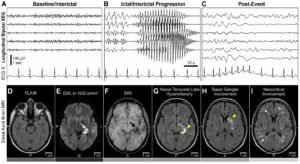
ADHD brain imaging uses advanced technologies such as EEG, qEEG, MRI, and brain software imagery to analyze neurological activity, brainwave patterns, and brain structure. While brain imaging alone is not used to officially diagnose ADHD, it can provide valuable clinical insights that support more personalized evaluations and treatment strategies.
At Applied Neuroscience INC. in St. Petersburg, Florida, advanced clinical neuroscience imaging technologies help physicians and specialists better understand cognitive and neurological function through innovative brain imaging analysis.
What Is ADHD?
Attention-Deficit/Hyperactivity Disorder (ADHD) is a neurodevelopmental condition that affects attention, focus, impulse control, and executive functioning.
Common symptoms include:
- Difficulty concentrating
- Impulsivity
- Hyperactivity
- Forgetfulness
- Poor organization
- Restlessness
- Trouble completing tasks
ADHD can affect:
- Children
- Teenagers
- Adults
Because symptoms vary from person to person, comprehensive evaluations are often necessary to understand the underlying neurological patterns involved.
What Is ADHD Brain Imaging?
ADHD brain imaging refers to the use of advanced neuroscience imaging technologies to study how the brain functions in individuals with attention-related symptoms.
These imaging tools may help identify:
- Brainwave irregularities
- Functional connectivity differences
- Activity patterns
- Structural brain variations
- Cognitive processing abnormalities
The goal is not simply to “see ADHD” on a scan, but to better understand how different regions of the brain communicate and function.
Common Types of Brain Imaging Used for ADHD
Several imaging technologies are commonly used in ADHD-related neurological evaluations.
Electroencephalography (EEG)
EEG records electrical brain activity using sensors placed on the scalp.
EEG may help identify:
- Attention-related brainwave patterns
- Overactive or underactive brain regions
- Functional irregularities
- Cognitive processing differences
EEG is widely used because it is:
- Non-invasive
- Safe
- Relatively quick
- Cost-effective
Quantitative EEG (qEEG)
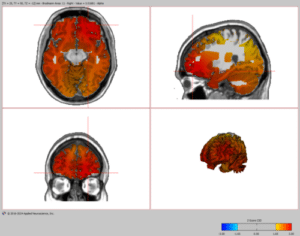
qEEG takes traditional EEG data and analyzes it using advanced neuroscience software imagery.
This allows clinicians to:
- Compare brainwave activity against normative databases
- Visualize functional patterns
- Identify neurological imbalances
- Generate detailed brain maps
Many patients searching for “ADHD brain imagery near me” are often researching qEEG evaluations.
MRI Brain Imaging
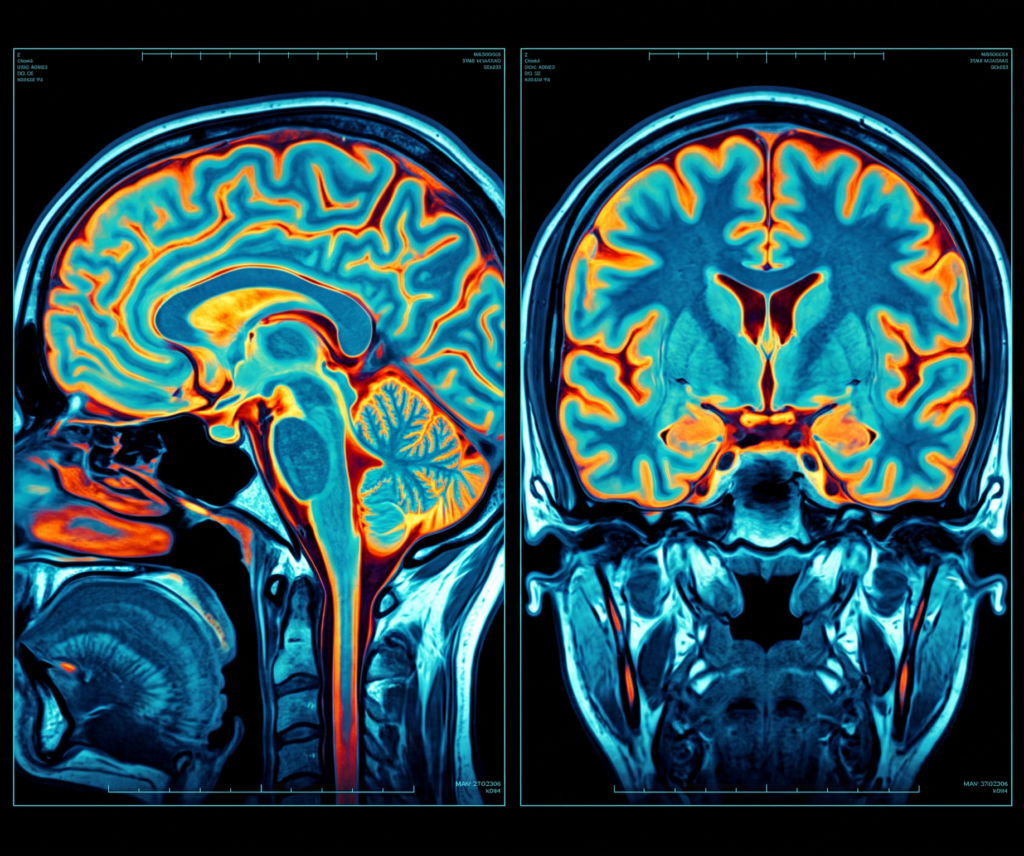
MRI evaluates the brain’s physical structure.
Research has shown that some individuals with ADHD may exhibit structural differences in areas associated with:
- Attention regulation
- Executive functioning
- Impulse control
- Emotional regulation
MRI helps clinicians rule out other neurological conditions that may mimic ADHD symptoms.
Functional Brain Imaging
Functional imaging technologies evaluate how the brain works during cognitive tasks.
These scans may help researchers and clinicians study:
- Attention networks
- Cognitive flexibility
- Working memory
- Neural communication pathways
What ADHD Brain Imaging Can Reveal
ADHD brain imaging may help identify patterns associated with attention and executive functioning difficulties.
Brainwave Activity Differences
Some individuals with ADHD demonstrate atypical brainwave activity, including:
- Increased theta waves
- Reduced beta wave activity
- Irregular neural synchronization
These patterns may affect:
- Focus
- Mental alertness
- Cognitive efficiency
Functional Connectivity Issues
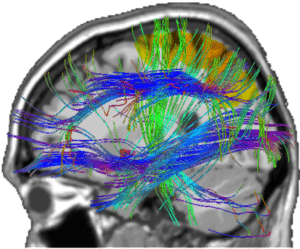
Advanced brain software imagery can evaluate how different brain regions communicate with one another.
Some ADHD patients may show:
- Reduced communication efficiency
- Delayed neural processing
- Irregular functional connectivity
Executive Functioning Challenges
Imaging studies often focus on brain regions involved in:
- Decision-making
- Attention control
- Emotional regulation
- Task management
Understanding these patterns may help guide treatment recommendations.
Can Brain Imaging Diagnose ADHD?
This is one of the most common questions patients ask.
The answer is no—brain imaging alone is not currently used as a standalone diagnostic tool for ADHD.
ADHD diagnoses still rely on:
- Clinical evaluations
- Behavioral assessments
- Symptom history
- Psychological testing
- Medical evaluations
However, advanced clinical neuroscience scans may provide valuable supportive information that helps clinicians better understand neurological functioning.
Benefits of ADHD Brain Imaging
Although imaging is not a replacement for traditional ADHD evaluations, it offers several potential advantages.
Improved Understanding of Brain Function
Brain imaging helps visualize how the brain processes information and regulates attention.
This may help patients and families better understand:
- Cognitive strengths
- Neurological challenges
- Functional differences
Personalized Treatment Planning
Every ADHD patient is different.
Imaging data may help clinicians develop more individualized treatment approaches based on each patient’s neurological profile.
Treatment planning may include:
- Medication management
- Neurofeedback
- Behavioral therapy
- Cognitive training
- Lifestyle modifications
Monitoring Progress Over Time
Some clinicians use repeat imaging or EEG evaluations to monitor changes during treatment.
This may help assess:
- Therapy effectiveness
- Cognitive improvements
- Brainwave changes
The Growing Role of 3D Brain Imagery
Modern neuroscience imaging technologies now allow clinicians to generate 3D brain imagery that visualizes:
- Brain activity patterns
- Connectivity networks
- Functional brain regions
- Neural communication pathways
Three-dimensional visualization improves both clinical analysis and patient education.
Patients can better understand how neurological activity relates to their symptoms.
How Neuroscience Software Enhances ADHD Imaging
Brain software imagery platforms are essential for modern ADHD evaluations.
Advanced software systems can:
- Analyze EEG data
- Create visual brain maps
- Compare results to normative databases
- Detect abnormal activity patterns
- Generate detailed clinical reports
These technologies improve the accuracy and efficiency of neurological evaluations.
At Applied Neuroscience INC., advanced neuroscience software imagery supports comprehensive clinical reporting and diagnostic analysis.
ADHD in Adults: Why Brain Imaging Matters
Although ADHD is often associated with children, many adults continue to struggle with undiagnosed attention disorders.
Adult ADHD symptoms may include:
- Chronic disorganization
- Difficulty focusing
- Time management problems
- Mental fatigue
- Emotional dysregulation
Brain imaging may help clinicians evaluate neurological patterns that contribute to these symptoms.
Patients searching for:
- “adult ADHD brain scan”
- “brain imaging for focus problems”
- “ADHD testing near me”
are increasingly exploring advanced neuroscience imaging options.
ADHD Brain Imaging and Cognitive Performance
Brain imaging is not only used for diagnosis support—it may also help evaluate cognitive performance and neurological efficiency.
Some clinicians use imaging technologies to study:
- Learning difficulties
- Processing speed
- Memory performance
- Attention regulation
- Executive functioning
This information may support educational and therapeutic planning.
Why Patients in St. Petersburg Are Seeking ADHD Brain Imaging
In St. Petersburg and throughout Florida, awareness around neurological health and cognitive performance is growing rapidly.
Patients and families are increasingly searching for:
- “ADHD brain imagery St. Petersburg”
- “qEEG near me”
- “advanced brain imaging Florida”
- “clinical neuroscience scan for ADHD”
Advanced imaging services help provide deeper neurological insights that complement traditional evaluations.
Frequently Asked Questions
Is ADHD visible on a brain scan?
ADHD cannot be definitively diagnosed from a scan alone, but imaging may reveal neurological patterns associated with attention regulation and cognitive processing.
Is EEG safe for children?
Yes. EEG is non-invasive, painless, and widely considered safe for both children and adults.
What is the difference between EEG and qEEG?
EEG records electrical brain activity, while qEEG uses advanced software analysis to compare brainwave data against clinical databases.
Can adults benefit from ADHD brain imaging?
Yes. Many adults seek imaging evaluations to better understand attention, focus, and executive functioning challenges.
How long does ADHD brain imaging take?
Testing times vary depending on the evaluation type but often range from 30 minutes to several hours.
Why Choose Applied Neuroscience INC.
Applied Neuroscience INC. provides advanced neuroscience imaging and clinical reporting services in St. Petersburg, Florida.
Services include:
- ADHD brain imagery
- Brain software imagery
- Clinical neuroscience scans
- EEG and qEEG analysis
- Medical legal services
- Expert clinical reports
- Mentoring and consultation
The organization focuses on combining advanced imaging technologies with high-quality customer service to support better neurological understanding and patient care.
[Applied Neuroscience INC. –https://appliedneuroscienceinc.com/]
Call to Action
If you are looking for advanced ADHD brain imaging services in St. Petersburg, FL, Applied Neuroscience INC. offers comprehensive neuroscience imaging solutions designed to support deeper neurological insights.
Contact Applied Neuroscience INC. today to learn more about:
- ADHD brain imagery
- qEEG evaluations
- Clinical neuroscience scans
- Brain software imagery
- Advanced neurological assessments
Serving St. Petersburg and surrounding Florida communities.