
Clinical neuroscience imaging is transforming the way healthcare professionals diagnose and understand neurological conditions. By combining advanced imaging technologies with neuroscience software analysis, clinicians can evaluate both the structure and function of the brain with greater precision than ever before.
From ADHD and traumatic brain injuries to epilepsy and cognitive disorders, modern brain imaging provides critical insights that traditional neurological evaluations may miss. At Applied Neuroscience INC. in St. Petersburg, Florida, advanced clinical neuroscience scans help physicians, specialists, and patients gain a clearer understanding of neurological health through innovative diagnostic imaging technologies.
Whether you are researching ADHD brain imagery, 3D brain imaging, or advanced brain software imagery, understanding how clinical neuroscience imaging works is the first step toward recognizing its value in modern healthcare.
What Is Clinical Neuroscience Imaging?
Clinical neuroscience imaging refers to a group of advanced diagnostic technologies used to visualize and analyze the brain and nervous system.
These imaging methods help clinicians evaluate:
- Brain structure
- Brain function
- Neural activity
- Blood flow
- Electrical communication
- Cognitive processing patterns
Unlike traditional neurological testing that relies heavily on symptoms and observational assessments, neuroscience imaging provides objective data directly from the brain.
This data supports:
- More accurate diagnoses
- Earlier detection of neurological abnormalities
- Personalized treatment planning
- Better long-term patient outcomes
Common Types of Clinical Neuroscience Imaging
Several technologies are commonly used in clinical neuroscience imaging. Each serves a unique purpose and provides different types of information about brain health.
Magnetic Resonance Imaging (MRI)
MRI uses magnetic fields and radio waves to create detailed images of the brain’s anatomy.
MRI scans help identify:
- Brain tumors
- Structural abnormalities
- Stroke damage
- Brain injuries
- Degenerative diseases
- Inflammation
MRI is particularly valuable for detecting physical changes in brain tissue.
Electroencephalography (EEG)
EEG records the brain’s electrical activity using electrodes placed on the scalp.
EEG is often used to evaluate:
- ADHD
- Epilepsy
- Sleep disorders
- Cognitive dysfunction
- Seizure activity
- Neurological abnormalities
EEG provides real-time information about how the brain functions.
Quantitative EEG (qEEG)
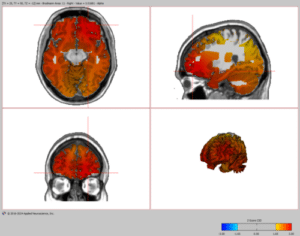
qEEG expands traditional EEG analysis by using neuroscience software imagery to compare brainwave activity against normative databases.
This advanced analysis can help identify:
- Attention deficits
- Brainwave irregularities
- Functional imbalances
- Cognitive processing issues
Many patients researching ADHD brain imagery are introduced to qEEG as part of comprehensive evaluations.
Functional MRI (fMRI)
Functional MRI measures changes in blood flow associated with brain activity.
This helps clinicians observe:
- Cognitive processing
- Emotional responses
- Brain connectivity
- Functional activation patterns
fMRI is frequently used in research and advanced clinical evaluations.
How Clinical Neuroscience Imaging Works
The process begins with collecting detailed neurological data using imaging technologies such as MRI, EEG, or qEEG.
Once the information is collected, specialized brain software imagery systems analyze the results to identify abnormalities or patterns.
The General Process Includes:
Step 1: Patient Evaluation
A healthcare provider reviews:
- Symptoms
- Medical history
- Neurological concerns
- Cognitive issues
- Behavioral changes
This determines which imaging technologies are most appropriate.
Step 2: Brain Imaging Procedure
Depending on the test ordered, patients undergo:
- MRI scans
- EEG recordings
- qEEG evaluations
- Functional imaging studies
These procedures are non-invasive and generally painless.
Step 3: Software-Based Analysis
Advanced neuroscience software imagery platforms process and visualize the data.
The software may:
- Create 3D brain imagery
- Analyze brainwave activity
- Detect abnormalities
- Compare results to clinical databases
- Generate comprehensive reports
Step 4: Clinical Interpretation
Specialists interpret the findings and develop recommendations for:
- Diagnosis
- Treatment planning
- Rehabilitation
- Medication management
- Cognitive therapies
Why Clinical Neuroscience Imaging Matters
Neurological symptoms are often complex and difficult to evaluate using symptoms alone.
Clinical neuroscience imaging provides measurable, objective information that supports more informed medical decisions.
Improved Diagnostic Accuracy
Conditions such as ADHD, traumatic brain injuries, and epilepsy may present similar symptoms while involving very different neurological patterns.
Advanced imaging helps clinicians differentiate between conditions more accurately.
Earlier Detection of Neurological Disorders
Brain imaging may reveal subtle abnormalities before symptoms become severe.
Early detection is especially important for:
- Alzheimer’s disease
- Dementia
- Parkinson’s disease
- Cognitive decline
- Developmental disorders
Personalized Treatment Planning
Every patient’s brain is unique.
Clinical neuroscience scans allow providers to tailor treatment strategies based on each patient’s neurological profile.
This can improve:
- Treatment effectiveness
- Medication selection
- Therapy outcomes
- Long-term care planning
Conditions Commonly Evaluated With Brain Imaging
Clinical neuroscience imaging supports evaluation and management of many neurological and cognitive conditions.
ADHD and Attention Disorders
ADHD brain imagery can help clinicians understand:
- Attention regulation
- Cognitive processing
- Brainwave abnormalities
- Executive functioning challenges
Although imaging alone does not diagnose ADHD, it can support comprehensive evaluations.
Traumatic Brain Injury (TBI)
Even mild concussions can cause lasting neurological effects.
Brain imaging may help detect:
- Structural damage
- Functional disruptions
- Cognitive impairment
- Post-concussion abnormalities
Epilepsy and Seizure Disorders
EEG and MRI integration is often used to:
- Identify seizure origins
- Monitor abnormal brain activity
- Support surgical planning
- Guide treatment decisions
Anxiety, Depression, and Mood Disorders
Research continues to explore how neuroscience imaging may help identify functional brain patterns associated with emotional and behavioral conditions.
Memory and Cognitive Disorders
Advanced brain imaging can support early evaluation of:
- Dementia
- Alzheimer’s disease
- Cognitive decline
- Memory impairment
The Growing Role of 3D Brain Imaging
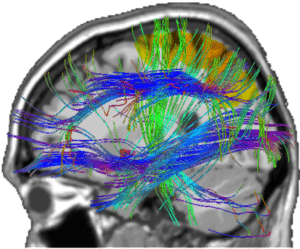
Modern neuroscience imaging technologies increasingly use 3D brain imagery to improve diagnostic interpretation.
Three-dimensional visualization helps clinicians:
- View brain structures spatially
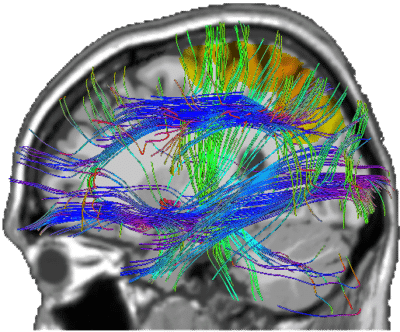
- Understand connectivity patterns
- Analyze functional relationships
- Improve patient education
3D imaging can be especially useful in complex neurological cases involving multiple brain regions.
How Neuroscience Software Enhances Brain Imaging
Without advanced software analysis, brain imaging data would be far more difficult to interpret.
Brain software imagery systems now use:
- AI-assisted analysis
- Functional mapping
- Data visualization
- Comparative databases
- Neural connectivity models
These tools improve both efficiency and diagnostic precision.
At Applied Neuroscience INC., advanced neuroscience software imagery technologies support comprehensive clinical reporting and neurological evaluation services.
Clinical Neuroscience Imaging and Medical Legal Services
Clinical neuroscience imaging is increasingly used in medical legal evaluations.
Objective imaging data may help support:
- Personal injury cases
- Cognitive impairment claims
- Disability evaluations
- Traumatic brain injury documentation
- Neurological expert testimony
[Medical Legal Services –https://appliedneuroscienceinc.com/medical-legal-services/]
Accurate clinical reports are often critical in complex legal and healthcare situations.
Why Patients in St. Petersburg Are Seeking Advanced Brain Imaging
Patients throughout St. Petersburg and the surrounding Florida communities are increasingly searching for:
- “clinical neuroscience scan near me”
- “advanced brain imaging in St. Petersburg”
- “ADHD brain scan Florida”
- “3D brain imaging services”
Growing awareness around neurological health and cognitive performance has increased demand for advanced diagnostic imaging solutions.
Frequently Asked Questions
Is clinical neuroscience imaging safe?
Yes. Most imaging methods, including MRI and EEG, are non-invasive and widely considered safe when performed by qualified professionals.
Can brain imaging diagnose ADHD?
Brain imaging alone does not diagnose ADHD, but it may provide valuable neurological insights that support comprehensive clinical evaluations.
How long does a clinical neuroscience scan take?
The duration depends on the type of imaging being performed. Some evaluations take 30 minutes, while others may require several hours.
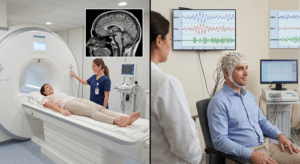
What is the difference between MRI and EEG?
MRI evaluates brain structure, while EEG measures electrical brain activity in real time.
Why is neuroscience software important?
Advanced software helps analyze imaging data, create visual brain maps, and identify neurological abnormalities more accurately.
Why Choose Applied Neuroscience INC.
Applied Neuroscience INC. provides advanced clinical neuroscience imaging services in St. Petersburg, Florida.
Services include:
- Clinical neuroscience scans
- Brain software imagery
- MRI and EEG integration
- Expert clinical reports
- Medical legal services
- Mentoring and consultation
The organization focuses on combining advanced imaging technology with patient-centered customer service to support better neurological care.
[Applied Neuroscience INC. – https://appliedneuroscienceinc.com/]
Call to Action
If you are seeking advanced brain imaging or clinical neuroscience scan services in St. Petersburg, FL, Applied Neuroscience INC. can help provide comprehensive neurological insights using advanced diagnostic technologies.
Contact Applied Neuroscience INC. today to learn more about:
- ADHD brain imagery
- 3D brain imaging
- Clinical neuroscience scans
- Brain software imagery
- Medical legal neuroimaging support
Serving St. Petersburg and surrounding Florida communities.