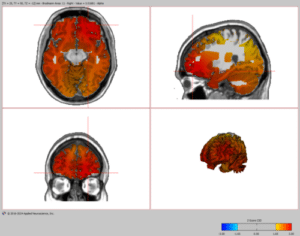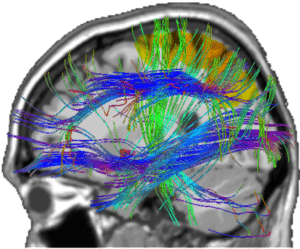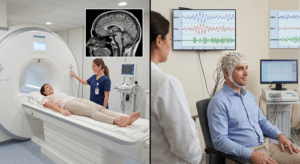


The field of neurological diagnostics is rapidly evolving, and one of the most exciting advancements is the growth of 3D brain imaging technology. Traditional brain scans have long provided valuable information about neurological structure and function, but modern three-dimensional imaging is transforming how clinicians visualize, analyze, and understand the human brain.
From ADHD evaluations and traumatic brain injuries to epilepsy and cognitive disorders, 3D brain imagery allows healthcare professionals to examine neurological activity and brain structure with greater clarity than ever before. Combined with advanced neuroscience software imagery and clinical neuroscience scans, these technologies are helping physicians make more informed diagnostic and treatment decisions.
At Applied Neuroscience INC. in St. Petersburg, Florida, advanced brain imaging technologies support comprehensive neurological evaluations designed to improve diagnostic precision and patient care.
What Is 3D Brain Imaging?
3D brain imaging refers to advanced visualization technologies that create three-dimensional representations of the brain using data collected from imaging systems such as:
- MRI
- EEG
- qEEG
- Functional MRI (fMRI)
- PET scans
- CT scans
Unlike traditional flat imaging slices, 3D visualization allows clinicians to examine:
- Brain structures spatially
- Functional connectivity
- Neural pathways
- Brain activity patterns
- Structural abnormalities
This provides a more complete picture of how the brain functions as an interconnected system.
How 3D Brain Imaging Works
Modern brain imaging systems collect massive amounts of neurological data during scans.
Advanced brain software imagery platforms then process that information to:
- Reconstruct the brain in 3D
- Map functional activity
- Analyze neural communication
- Identify abnormal patterns
- Visualize brain regions interactively
Clinicians can rotate, zoom, and evaluate different regions of the brain in ways that traditional two-dimensional imaging cannot provide.
This level of detail significantly improves diagnostic interpretation.
Why 3D Brain Imaging Is Changing Neurological Diagnosis
Neurological conditions are often highly complex. Symptoms may overlap between disorders, making accurate diagnosis difficult using symptoms alone.
Three-dimensional imaging improves diagnostic capabilities by providing:
- Better anatomical visualization
- Functional mapping
- Enhanced spatial understanding
- Improved lesion detection
- More precise neurological analysis
This allows clinicians to evaluate both brain structure and brain function simultaneously.
Key Benefits of 3D Brain Imaging
Improved Diagnostic Accuracy
3D brain imagery helps clinicians detect subtle abnormalities that may be difficult to identify using traditional imaging methods.
This is especially important for conditions involving:
- Small structural changes
- Functional connectivity disruptions
- Complex neurological patterns
Enhanced Functional Brain Mapping
Functional mapping allows clinicians to observe how different brain regions interact during:
- Attention tasks
- Memory processing
- Emotional regulation
- Cognitive activity
This is particularly valuable in ADHD brain imagery and cognitive assessments.
Better Surgical Planning
Neurosurgeons often use 3D imaging to:
- Plan procedures
- Avoid critical brain regions
- Improve surgical precision
- Reduce risks during neurological operations
Improved Patient Education
Three-dimensional brain models help patients better understand:
- Their diagnosis
- Neurological abnormalities
- Treatment recommendations
- Brain function
Visual explanations can make complex neurological concepts easier to understand.
Conditions That Benefit From 3D Brain Imaging
3D brain imaging is increasingly used across many areas of neurological healthcare.
ADHD and Attention Disorders
ADHD brain imagery can reveal differences in:
- Attention networks
- Executive functioning pathways
- Brainwave activity
- Functional connectivity
Advanced neuroscience software imagery may help clinicians better understand how specific brain regions contribute to attention and focus challenges.
Patients searching for:
- “ADHD brain scan near me”
- “3D ADHD brain imaging”
- “clinical neuroscience scan for ADHD”
are increasingly exploring advanced imaging options.
Traumatic Brain Injuries (TBI)
Concussions and traumatic brain injuries can cause subtle neurological disruptions that may not appear on standard imaging alone.
3D brain imagery can help visualize:
- Structural damage
- Connectivity disruptions
- Functional abnormalities
- Areas of reduced activity
This supports more comprehensive evaluations following:
- Sports injuries
- Vehicle accidents
- Workplace injuries
- Falls
Epilepsy and Seizure Disorders
3D imaging helps clinicians:
- Identify seizure origins
- Map abnormal activity
- Improve surgical planning
- Evaluate brain function more precisely
When combined with EEG, clinicians can better understand how seizure activity spreads throughout the brain.
Alzheimer’s Disease and Dementia
Three-dimensional imaging supports early evaluation of:
- Brain atrophy
- Memory-related brain changes
- Functional decline
- Neural degeneration
Earlier detection may improve long-term treatment planning and patient care.
The Role of Neuroscience Software Imagery
Advanced brain software imagery systems are essential for modern 3D brain imaging.
These software platforms can:
- Analyze neurological data
- Create interactive brain maps
- Compare scans against clinical databases
- Detect abnormalities
- Generate detailed reports
Artificial intelligence and machine learning are increasingly improving software accuracy and efficiency.
At Applied Neuroscience INC., neuroscience software imagery technologies help support comprehensive neurological evaluations and expert clinical reporting.
Combining MRI and EEG With 3D Brain Visualization
One of the most powerful advancements in neurological imaging is the integration of MRI and EEG data into 3D visual models.
MRI provides:
- Structural information
- Anatomical detail
- High-resolution brain images
EEG provides:
- Real-time electrical activity
- Brainwave analysis
- Functional neurological data
When combined, clinicians gain a more complete understanding of:
- Brain structure
- Functional communication
- Neurological abnormalities
- Cognitive processing patterns
This integrated approach improves both diagnosis and treatment planning.
How 3D Brain Imaging Supports Personalized Treatment
No two brains are exactly alike.
3D imaging allows clinicians to develop more individualized care strategies based on:
- Brain activity patterns
- Functional connectivity
- Structural findings
- Neurological performance
This supports more targeted treatment recommendations for:
- ADHD
- Cognitive disorders
- Neurological rehabilitation
- Behavioral therapies
- Medication management
The Future of Brain Imaging Technology
The future of clinical neuroscience imaging continues to advance rapidly.
Emerging technologies may soon allow clinicians to:
- Detect neurological disorders earlier
- Improve AI-assisted diagnostics
- Monitor treatment responses in real time
- Predict neurological risk factors
- Personalize cognitive therapies
Innovations in:
- Artificial intelligence
- Machine learning
- Neural mapping
- Brain-computer interfaces
are expected to further revolutionize neurological diagnostics.
Why Patients in St. Petersburg Are Seeking Advanced Brain Imaging
Patients throughout St. Petersburg and the surrounding Florida communities are increasingly searching for:
- “3D brain imaging near me”
- “advanced neurological imaging”
- “clinical neuroscience scan St. Petersburg”
- “brain software imagery Florida”
Growing awareness around cognitive health, ADHD, concussion management, and neurological wellness is driving demand for advanced imaging technologies.
3D Brain Imaging and Medical Legal Services
Three-dimensional neurological imaging is also becoming increasingly important in medical legal evaluations.
Objective imaging findings may support:
- Traumatic brain injury claims
- Cognitive impairment documentation
- Disability evaluations
- Neurological expert testimony
- Post-accident assessments
[Medical Legal Services – https://appliedneurosc.wpenginepowered.com/]
Detailed visual reports can help improve clinical documentation in complex cases.
Frequently Asked Questions
Is 3D brain imaging safe?
Yes. Most imaging technologies used for 3D brain visualization, including MRI and EEG, are non-invasive and widely considered safe.
What makes 3D brain imaging different from traditional scans?
Traditional imaging produces flat images, while 3D imaging creates interactive visual models that improve spatial understanding and functional analysis.
Can 3D brain imaging diagnose ADHD?
Imaging alone does not diagnose ADHD, but it may provide valuable neurological insights that support comprehensive evaluations.
How long does a 3D brain imaging session take?
The duration depends on the imaging methods used and may range from 30 minutes to several hours.
Is 3D brain imaging used for concussions?
Yes. Advanced imaging technologies may help evaluate structural and functional changes following traumatic brain injuries.
Why Choose Applied Neuroscience INC.
Applied Neuroscience INC. provides advanced clinical neuroscience imaging services in St. Petersburg, Florida.
Services include:
- 3D brain imagery
- Clinical neuroscience scans
- Brain software imagery
- MRI and EEG integration
- Expert clinical reports
- Medical legal services
- Mentoring and consultation
The organization focuses on combining advanced neuroscience technologies with exceptional customer service to support better neurological understanding and patient care.
[Applied Neuroscience INC. – https://appliedneurosc.wpenginepowered.com/]
Call to Action
If you are looking for advanced 3D brain imaging services in St. Petersburg, FL, Applied Neuroscience INC. offers comprehensive neuroscience imaging solutions designed to support accurate neurological evaluations and personalized care.
Contact Applied Neuroscience INC. today to learn more about:
- 3D brain imagery
- ADHD brain imaging
- Clinical neuroscience scans
- Brain software imagery
- Advanced neurological diagnostics
Serving St. Petersburg and surrounding Florida communities.